

Instagram has become a central platform for technology brands seeking attention, trust, and growth. Behind every like, view, and comment sits a vast stream of data. Big data helps teams read patterns that are not visible at first glance, including how audiences respond to trends such as searches for the best sites to buy instagram followers. When used well, it reveals how audiences think, react, and move across content. This approach supports smarter decisions and clearer messaging. It also helps brands respond faster to change. By studying behavior at scale, tech marketers gain a deeper view of what truly works. This article explores how big data shapes understanding of tech audiences on Instagram.
Data Collection in Modern Instagram Analysis
Big data begins with collection. Every interaction creates a signal that can be measured and stored. These signals include views, saves, comments, and time spent on posts. When gathered together, they form large datasets that describe audience behavior. Technology tools process this information in real time. This allows analysts to observe trends as they form. Accurate collection helps ensure insights reflect real activity. Clean data also reduces confusion. With proper systems, teams can track growth patterns and engagement shifts more clearly.
Audience Segmentation Through Big Data
Audience segmentation becomes more precise with large datasets. Instead of broad groups, marketers can study smaller clusters based on interests or behavior. Big data makes this possible by comparing many signals at once. It identifies users who react similarly to certain content types. This leads to more relevant messaging. A unique benefit is the ability to adapt content tone without guessing. Segmentation also helps tech brands speak to developers, founders, or enthusiasts differently. Clear segments support stronger engagement and better planning.
Content Performance Patterns
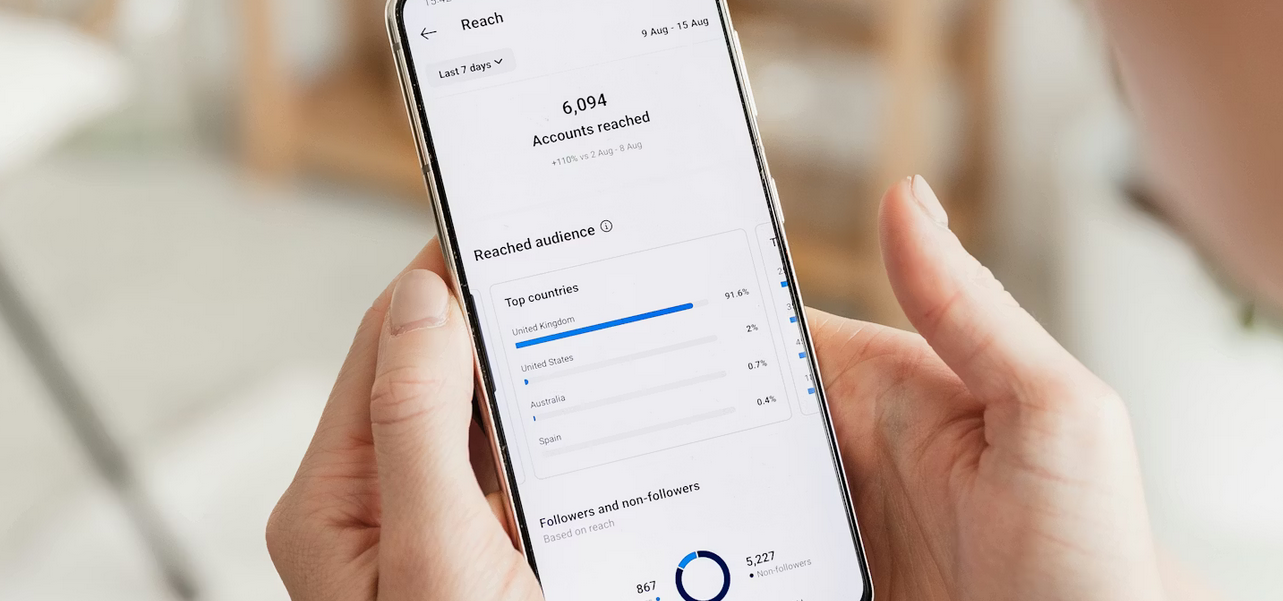
Big data reveals which posts perform well and why. It connects timing, format, and topic to engagement outcomes. Short videos may perform better on certain days. Educational captions may hold attention longer. These insights come from analyzing large volumes of past content. Patterns emerge over time. They guide future creative choices. This process removes guesswork. It also helps teams focus on formats that truly resonate. Over time, performance analysis builds a reliable content strategy.
Behavioral Trends Over Time
Audience behavior changes quickly on social platforms. Big data helps track these shifts over weeks or months. It highlights rising interests and fading topics. Trend analysis supports proactive planning. Instead of reacting late, teams adjust early. This improves relevance. It also helps brands stay aligned with audience expectations. Long-term datasets reveal cycles and habits. These insights provide context that short observations miss. Understanding change over time is essential for sustained growth.
Predictive Insights and Forecasting
Predictive analysis uses historical data to estimate future behavior. Big data makes these forecasts more reliable. Algorithms study past responses to predict upcoming trends. This helps plan campaigns with confidence. Forecasting supports timing decisions and content pacing. It can also guide resource allocation. While predictions are never perfect, they reduce uncertainty. Used carefully, predictive insights add direction and clarity to strategy planning.
Engagement Quality Signals

Not all engagement has equal value. Big data helps separate shallow actions from meaningful ones. Comments, shares, and saves often indicate deeper interest. By measuring these signals together, platforms assess quality more accurately. Analysts can see which posts spark conversation. This helps refine messaging style. It also helps ensure efforts focus on impact, not just volume. Studying engagement quality supports smarter evaluation and avoids misleading conclusions.
Ethical Data Use and Trust
With great data access comes responsibility. Ethical handling of information builds trust. Platforms and brands must respect privacy and follow data standards. Transparency matters. Responsible use helps ensure long-term credibility. Users are more engaged when they feel safe. Big data systems should balance insight with respect. Maintaining this balance is of utmost importance. Ethical practices protect both audiences and organizations.
Big data turns activity into understanding. For tech brands, this means clearer direction and stronger communication. Insights support better content, timing, and engagement choices. They also help teams test ideas efficiently. When applied correctly, data becomes a strategic asset. It supports growth without relying on assumptions. The goal is not complexity, but clarity. With the right tools, teams can ensure decisions are informed and adaptable.

